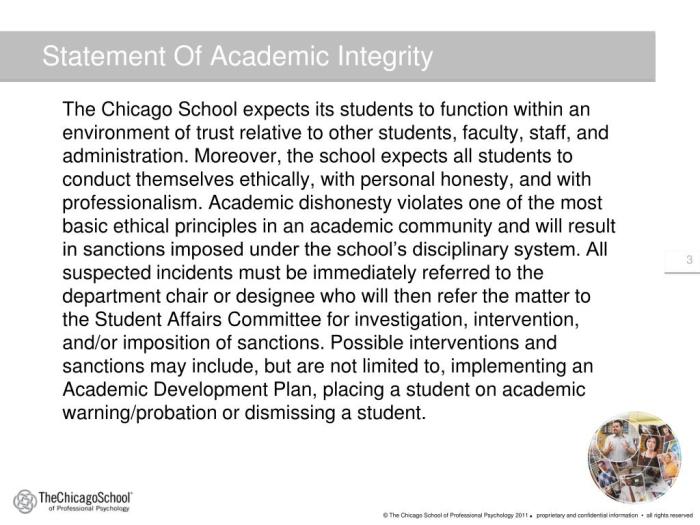
Preserving academic integrity is crucial for maintaining the credibility and value of educational institutions. It establishes a foundation of trust among students, educators, and the academic community, fostering an environment where learning can flourish without the shadow of dishonesty. By understanding the vital role that integrity plays in education, we can collectively strive to uphold these principles.
The significance of academic integrity extends beyond mere compliance; it shapes the character and development of students, influencing their future academic and professional paths. Various strategies, including honor codes and modern technological tools, are essential for promoting ethical behavior and ensuring that institutions effectively combat issues of academic dishonesty.
Preserving Academic Integrity
Maintaining academic integrity is fundamental in educational institutions, impacting not only the learning environment but also the overall ethos of educational practices. By fostering a culture rooted in honesty and trust, institutions can create an atmosphere where students thrive, both academically and personally. The commitment to integrity sets clear expectations for behavior and encourages a sense of responsibility among students.
Importance of Academic Integrity
Academic integrity is essential for several reasons. First and foremost, it upholds the credibility of educational institutions. When students engage in dishonest practices, it undermines the value of their degrees and the trust that society places in academic qualifications. Moreover, academic dishonesty negatively affects student learning and development. Students who cheat miss out on vital learning experiences, which can hinder their critical thinking skills and overall knowledge acquisition.
In contrast, maintaining academic integrity fosters a culture of trust. When students and faculty operate under a shared commitment to honesty, it enhances collaboration and mutual respect. For example, institutions that prioritize integrity often see increased engagement in classroom discussions and collaborative projects, as students feel confident that their peers are committed to genuine learning.
Methods to Preserve Academic Integrity
There are several strategies that educational institutions can implement to uphold academic integrity effectively. One of the most common methods is the establishment of honor codes. These codes Artikel the ethical expectations for students and often include clear consequences for violations. Honor codes have proven effective in fostering a culture of integrity, as students are more likely to adhere to standards when they have a hand in creating them.
In addition to honor codes, technology plays a crucial role in maintaining academic standards. Institutions can utilize plagiarism detection software, such as Turnitin or Grammarly, to deter dishonest practices. These tools not only help identify potential cheating but also educate students on proper citation methods and the importance of original work.
Role of Educators in Promoting Integrity
Educators play a pivotal role in teaching and modeling academic integrity. It is their responsibility to establish clear expectations for honesty and to communicate the importance of integrity in their curriculum. Teachers can initiate discussions about the value of academic integrity by using real-life scenarios and case studies to highlight its significance.Training programs for faculty are essential to equip them with the skills needed to detect and address academic dishonesty.
Workshops and seminars can provide educators with tools and techniques for fostering an environment of integrity, as well as strategies for dealing with violations in a constructive manner.
Consequences of Violating Academic Integrity
The repercussions for students engaging in dishonest practices can be severe. Students may face academic penalties, such as failing grades or even expulsion, which can have lasting effects on their educational journey. For instance, a case study from a prominent university revealed that students caught cheating were not only penalized academically but also experienced significant emotional distress and damage to their personal reputations.Long-term effects can extend beyond immediate academic consequences.
Students who violate academic integrity may struggle to regain trust from peers and educators, which can impact their future academic and professional opportunities. A tarnished academic record can hinder job prospects, as employers often seek candidates with a strong ethical foundation.
Education Preserve vs. Education Knock
The concepts of ‘Education Preserve’ and ‘Education Knock’ present contrasting approaches to academic integrity. ‘Education Preserve’ focuses on nurturing an environment that values ethical behavior and promotes integrity through positive reinforcement and community engagement. This approach encourages students to take ownership of their academic journey and fosters a sense of responsibility.On the other hand, ‘Education Knock’ often emphasizes punitive measures and strict enforcement of rules.
While this method may deter some dishonest behaviors, it can create a culture of fear, where students feel pressured to comply without understanding the underlying principles of integrity. Institutions that adopt the ‘Preserve’ approach tend to see more proactive student behavior and a stronger community ethos, while those that lean towards ‘Knock’ may struggle with student engagement.
Building a Culture of Integrity in Education
Creating an environment that values and encourages academic integrity involves several key strategies. Institutions should prioritize community engagement initiatives that promote ethical behavior through workshops, seminars, and open discussions. These programs can help cultivate a shared understanding of the importance of integrity among students and faculty alike.Additionally, continuous assessment of integrity practices within institutions is crucial. Regular evaluations and feedback from students can help identify areas for improvement and ensure that integrity initiatives remain relevant and effective.
Institutions may also consider involving students in integrity committees, allowing them to play an active role in shaping policies and practices.
Student Perspectives on Academic Integrity
Gathering testimonials from students provides valuable insights into the significance of academic integrity in their education. Many students recognize that honesty not only enhances their learning experience but also prepares them for future professional challenges. Peer-led initiatives, where students advocate for integrity among their classmates, can be particularly effective in reinforcing these values.Despite the emphasis on academic integrity, some misconceptions persist among students.
For instance, some may believe that collaborating with peers on assignments is a form of dishonesty, while in reality, learning from one another is encouraged as long as proper credit is given. Educators can address these misconceptions through clear communication and by providing guidance on ethical collaboration practices.
Conclusive Thoughts
In conclusion, preserving academic integrity is not just about enforcing rules but about cultivating a culture of honesty and trust within educational environments. By actively engaging students, educators, and the broader community, we pave the way for a brighter future where integrity is valued, and academic excellence can truly shine. The journey toward maintaining high standards of academic integrity is ongoing, and it requires a collective commitment from all stakeholders involved.
FAQ Explained
What is academic integrity?
Academic integrity refers to the ethical code of conducting oneself honestly in academic work, ensuring that all contributions are original and properly cited.
Why is academic integrity important?
It fosters a culture of trust and respect, enhances the quality of education, and prepares students for professional ethical standards.
How can students promote academic integrity?
Students can promote academic integrity by following guidelines for honest work, reporting dishonest practices, and participating in peer-led integrity initiatives.
What are the consequences of violating academic integrity?
Consequences can range from failing grades to expulsion, and they significantly impact a student’s academic and professional reputation.
How can educators support academic integrity?
Educators can support academic integrity by modeling ethical behavior, teaching the importance of honesty, and implementing clear policies against dishonesty.


